Ultimate Guide to Carpet Rugs & Runners 411
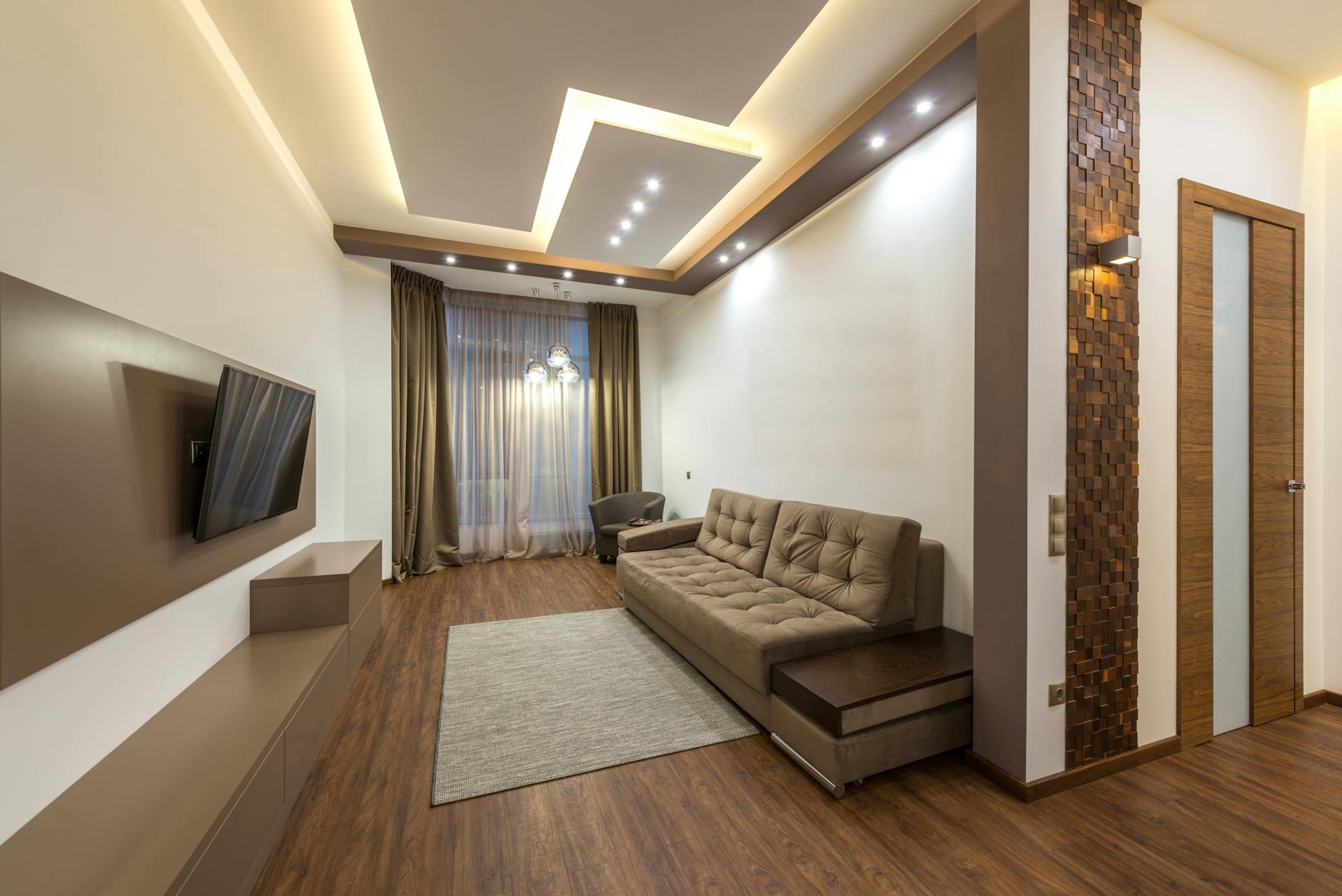
Carpet rugs and runners are not merely accessories for your floor; they are an expression of style, a measure of comfort, and a tool for protection. Whether you're looking to add a dash of elegance to your living room, reduce noise levels in an apartment, or prevent slips in a hallway, the right carpet rug or runner can make a significant difference. In this comprehensive guide, we'll cover everything you need to know about styles, materials, care tips, and installation techniques to ensure that your flooring solutions match both your aesthetic and functional needs.
Styles of Carpet Rugs and Runners
Traditional: Characterized by classic patterns that often include floral motifs, borders, and medallions. These rugs add a timeless elegance to any space and are commonly found in materials like wool or silk.
Modern/Contemporary: These styles embrace bold colors, abstract designs, and minimalist patterns. Ideal for creating focal points in a room, they often work well in modern or industrial settings.
Transitional: Blending elements of traditional and contemporary design, transitional rugs offer versatility and a balance that is suitable for a wide range of decor themes.
Oriental and Persian: Renowned for intricate details and rich color palettes, these hand-knotted rugs are works of art that can bring a global and sophisticated touch to interiors.
Shaggy: Known for their plush, deep pile, shag rugs offer supreme comfort and a soft texture that can bring coziness to a room.
Materials Used in Carpet Rugs and Runners
Wool: Renowned for its durability and softness, wool is a natural fiber that is resilient and easy to clean. It also offers excellent insulation properties.
Synthetic (Nylon, Polyester, Polypropylene): These man-made fibers are stain-resistant, affordable, and ideal for high-traffic areas. Though not as soft as wool, they are easy to maintain and come in various colors and patterns.
Cotton: A lightweight and versatile option, cotton rugs are often used in casual settings. They are typically machine-washable, making them a good choice for areas prone to spills.
Natural Fibers (Jute, Sisal, and Seagrass): Offering an earthy look, these materials are eco-friendly and add texture to a space. However, they can be less comfortable underfoot and more challenging to clean.
Care Tips for Carpet Rugs and Runners
- Vacuum regularly to remove dirt and prevent buildup. Be gentle with fringes and edges to avoid damage.
- Rotate your rugs periodically to ensure even wear. This is especially important for rugs in direct sunlight or high-traffic areas.
- Spot clean spills immediately with a clean, damp cloth—blot, don't rub. Consult the manufacturer's guidelines for specific stain removal advice.
- Use rug pads to prevent slipping, add cushioning, and extend the life of your rugs and floor.
Installation Tips for Carpet Rugs and Runners
Measuring: Always measure your space before purchasing a rug or runner. There should be approximately 18 inches of bare floor between the edges of the rug and the walls of the room.
Alignment: Ensure your rug or runner is properly aligned with the room's focal points and furniture. This creates a harmonious balance in the space.
Securing: Double-sided tape, non-skid mats, or rug pads can help keep runners and rugs in place, reducing the risk of slips and falls.
Professional Help: For wall-to-wall carpeting or intricate staircase runners, consider hiring a professional to ensure proper installation and finishing.
With this ultimate guide to carpet rugs and runners, you are now equipped to make informed decisions about your home's flooring solutions. Embrace the diversity of styles, the variety of materials, and the care instructions that will help maintain the beauty and longevity of your rugs. With these insights, you can create a space that is as visually stunning as it is comfortable and functional.